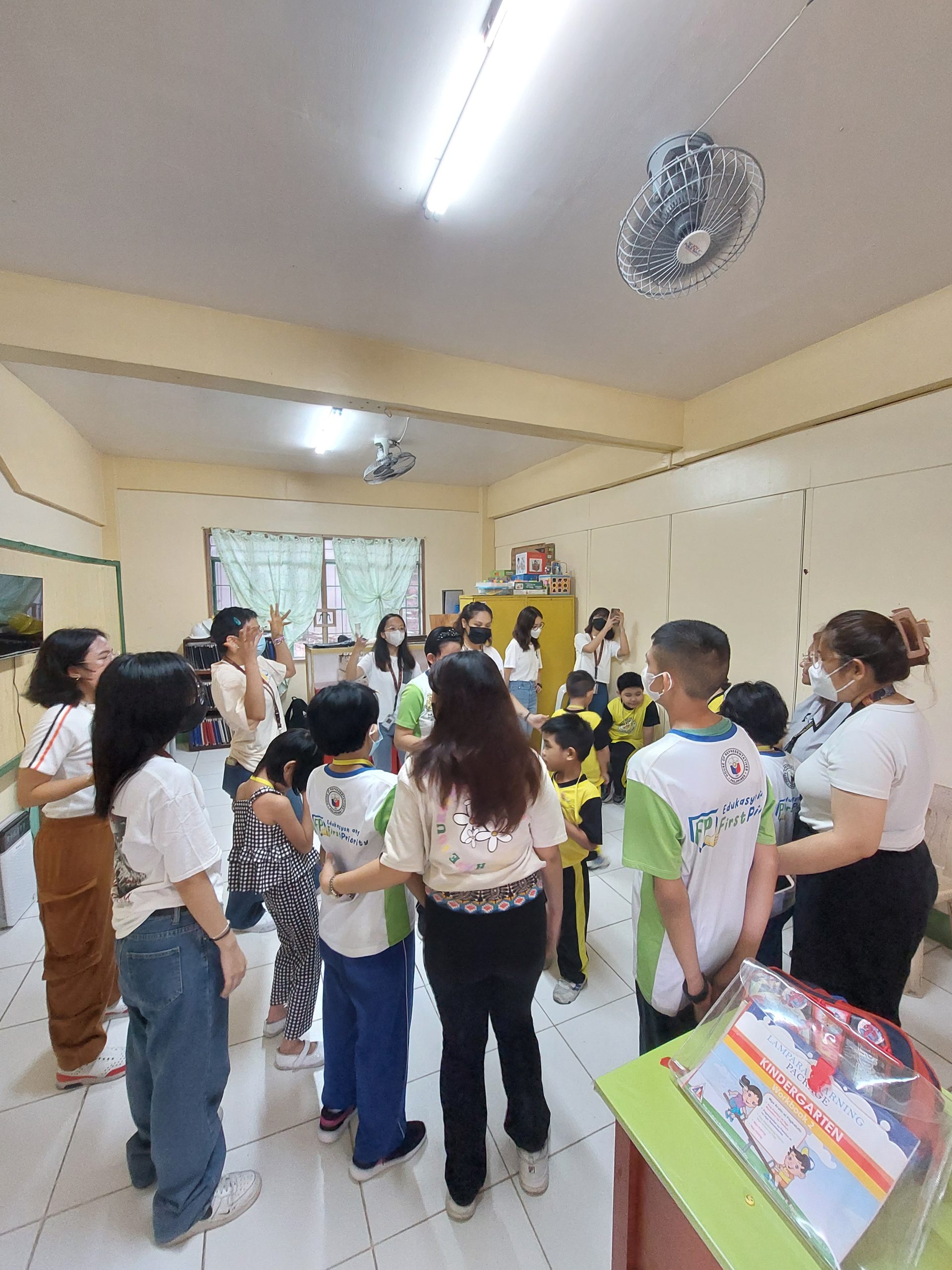
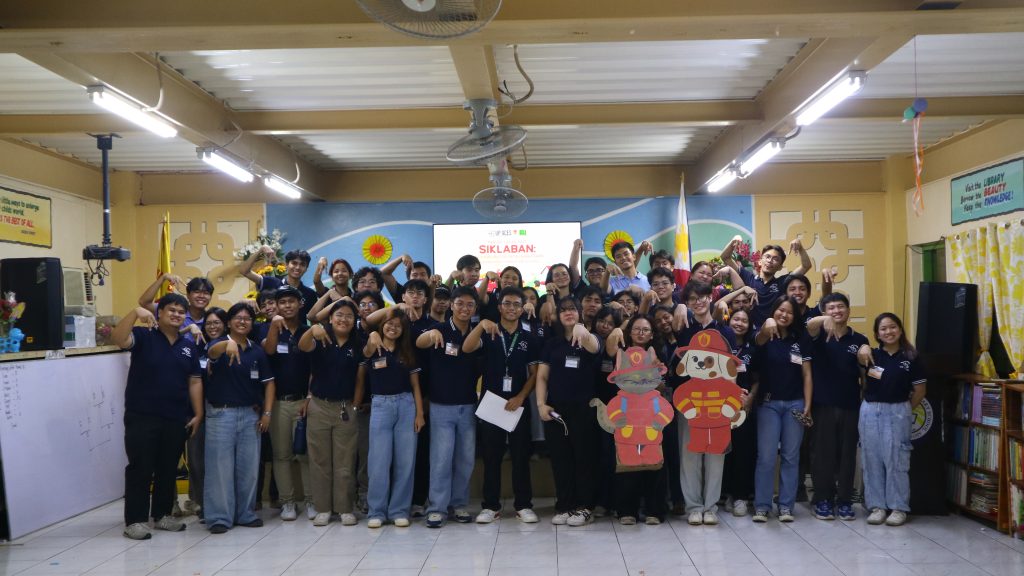
What happens when disaster preparedness is transformed into stories, colorful characters, experiments, and hands-on activities? For hundreds of elementary students in Quezon City, learning about fire safety became an experience that was not only educational but also memorable.
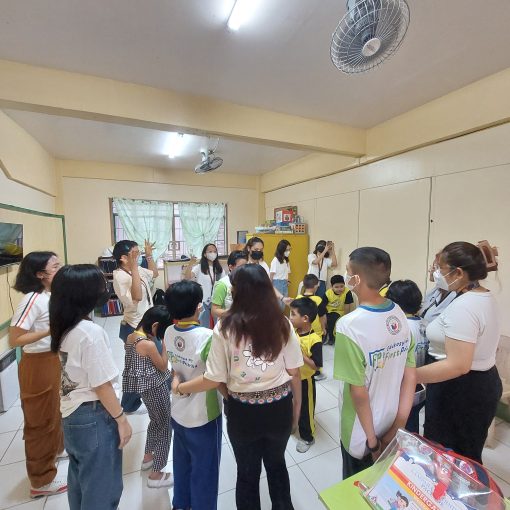
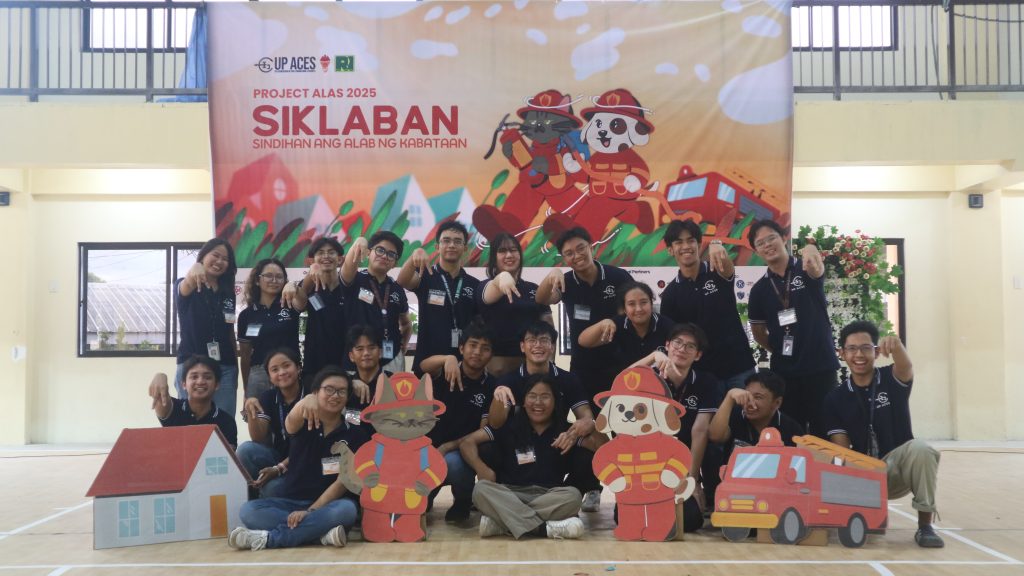
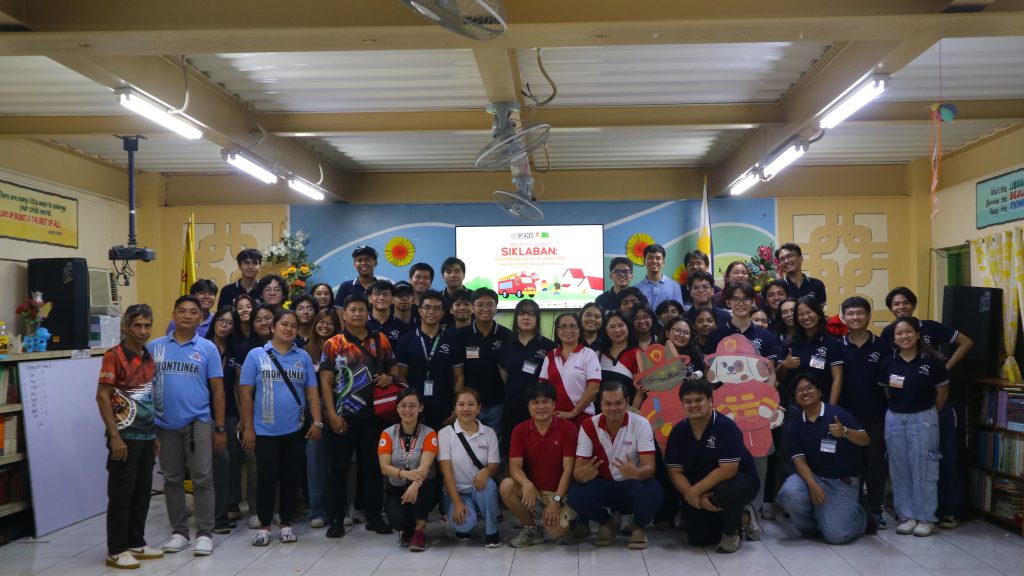
Through Project ALAS: SIKLABAN – Sindihan ang Alab ng Kabataan, the UP Association of Civil Engineering Students (UP ACES) brought fire safety and preparedness education to students of Toro Hills Elementary School and Tandang Sora Elementary School as part of its continuing commitment to strengthening disaster resilience among young learners.
Project ALAS, short for Alleviating Lives, Advancing Solutions, serves as the social service arm of UP ACES and seeks to apply civil engineering principles to real-world community concerns. Since its establishment nearly a decade ago, the initiative has reached more than 4,000 beneficiaries through programs addressing waste management, sustainable housing, disaster preparedness, and environmental education.
In 2023, the project began strengthening its focus on sustainable, replicable, and scalable approaches to community safety and resilience, particularly in addressing disaster-related concerns. This direction was put into practice in 2024 at Bagbag Elementary School, where Grades 1 to 3 students learned about disaster risk reduction and management (DRRM) and waste management through interactive storytelling, dioramas, experiments, and personalized go-bags.
Building on this experience, UP ACES returned in 2025 with SIKLABAN, this time focusing on fire safety and protection. Through animated explainer videos, interactive storytelling, physical dioramas, experiments, and fire safety demonstrations, the project sought to make potentially life-saving information understandable and engaging for children.
Reaching More Learners
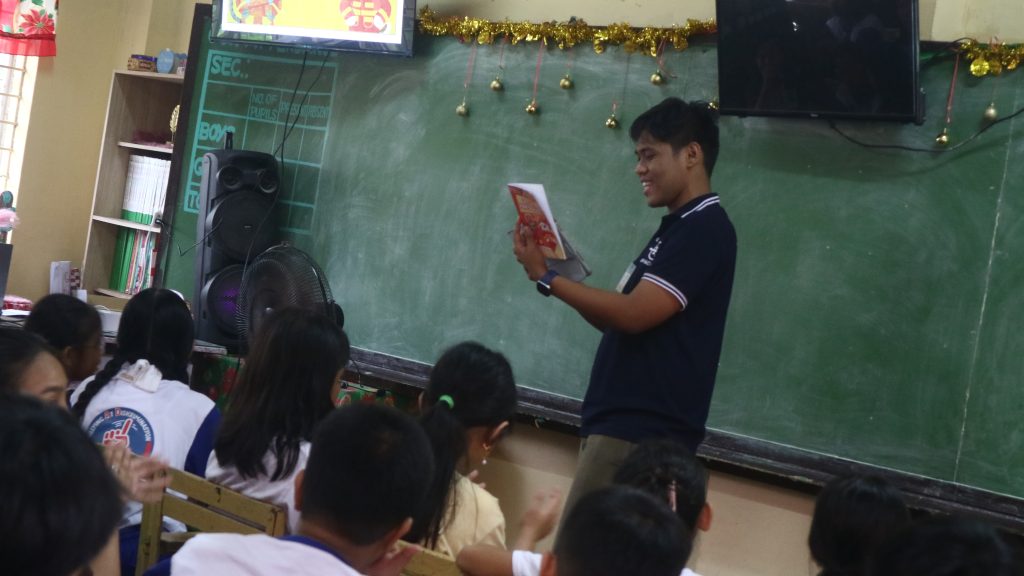
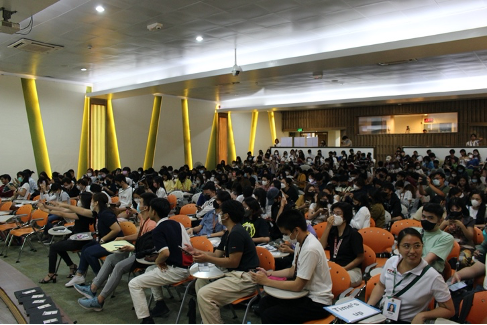
The project was initially designed to accommodate approximately 300 students in one school. However, when two schools expressed interest, the team expanded its implementation to serve around 600 students.
The increased number of beneficiaries presented logistical challenges, but it also gave Project ALAS an opportunity to extend its reach.
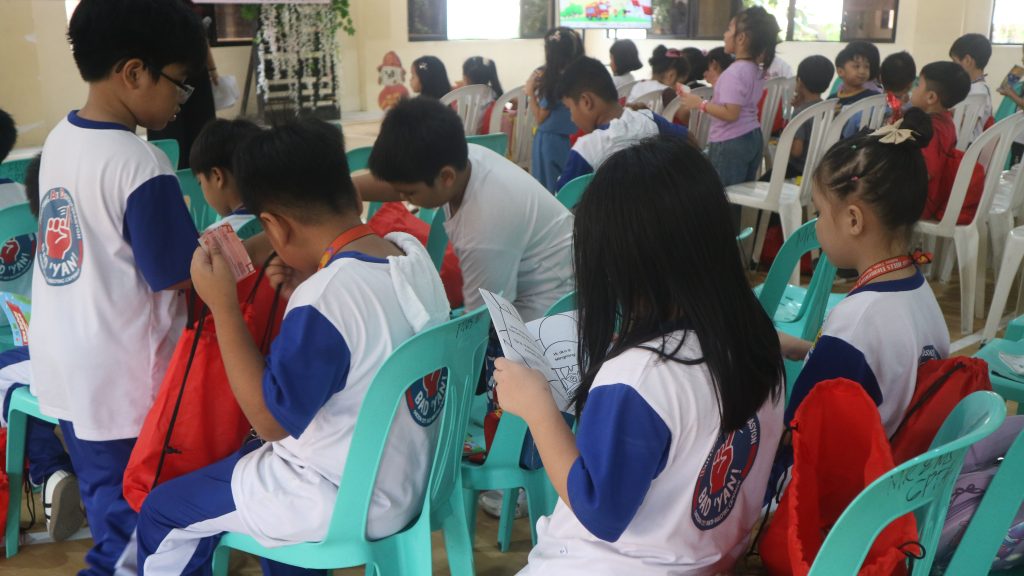
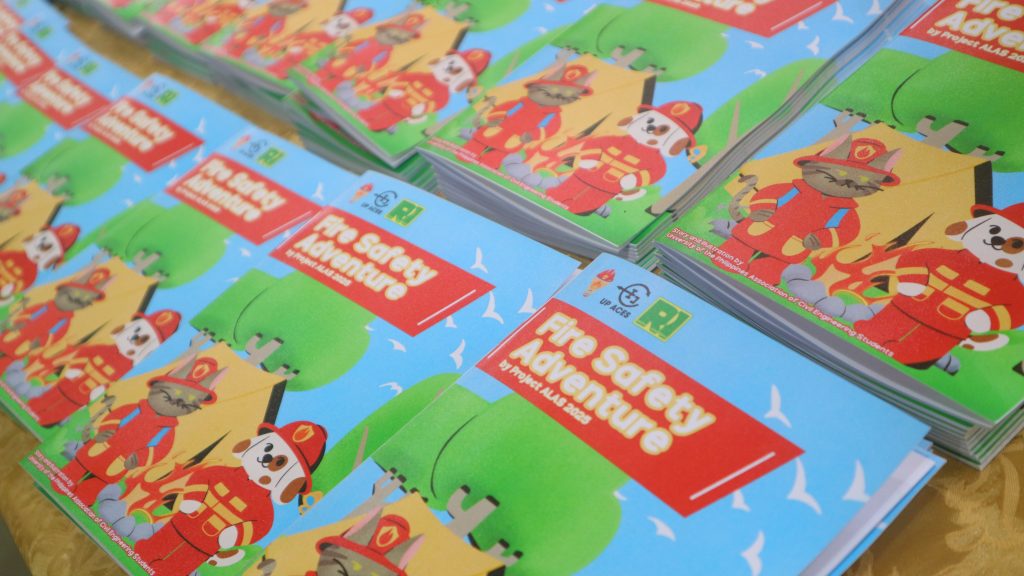
Another challenge was communicating fire safety concepts effectively to children across different age groups. Recognizing the differences in maturity and learning preferences between younger and older students, the team developed age-appropriate materials. Students from Grades 1 to 3 received coloring books, while those from Grades 4 to 6 received comic books. Explainer videos were likewise shown according to grade-level groups.
The approach helped generate enthusiastic participation among the students. According to the project team, children became particularly attached to the Project ALAS mascots and actively engaged with the interactive elements incorporated into the explainer videos.
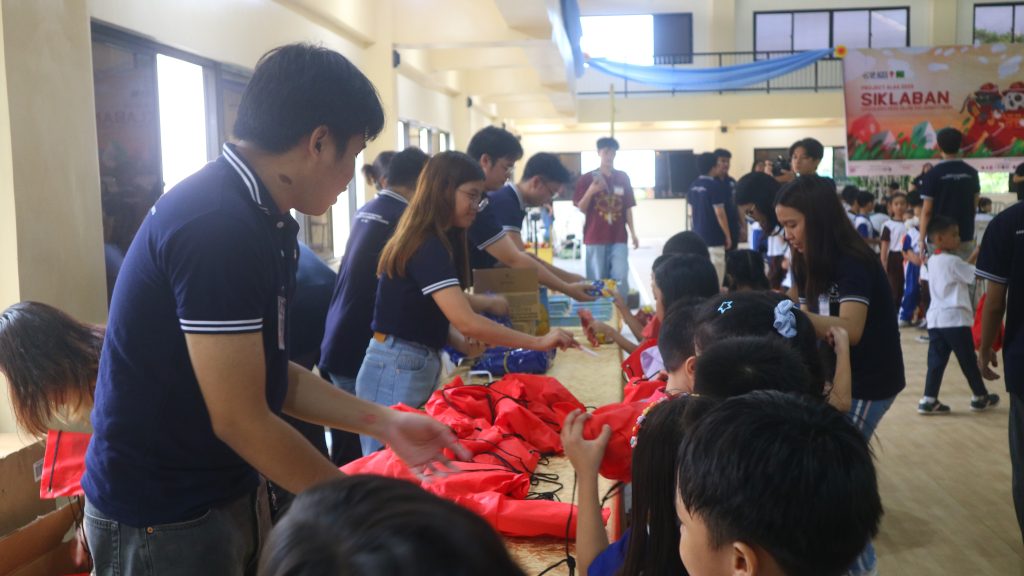
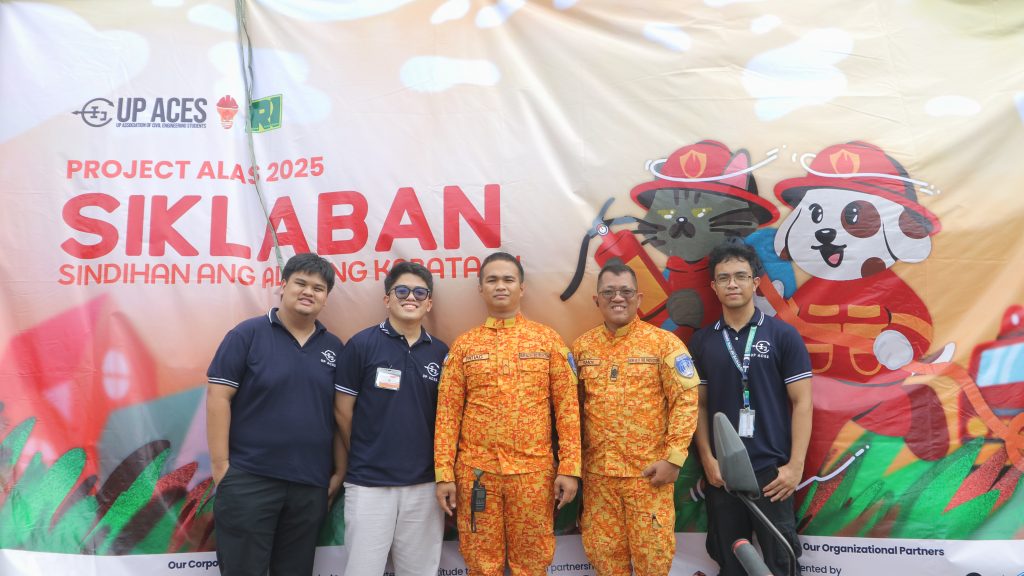
Behind the implementation was also a network of partners that contributed their expertise and resources. The Bureau of Fire Protection (BFP) conducted fire safety demonstrations, while the Quezon City Disaster Risk Reduction and Management Office (QCDRRMO) provided localized baseline information and fire incident records. The administrations of Toro Hills Elementary School and Tandang Sora Elementary School supported the conduct of the outreach activities and assisted with evaluation tracking.
Creating Learning that Lasts
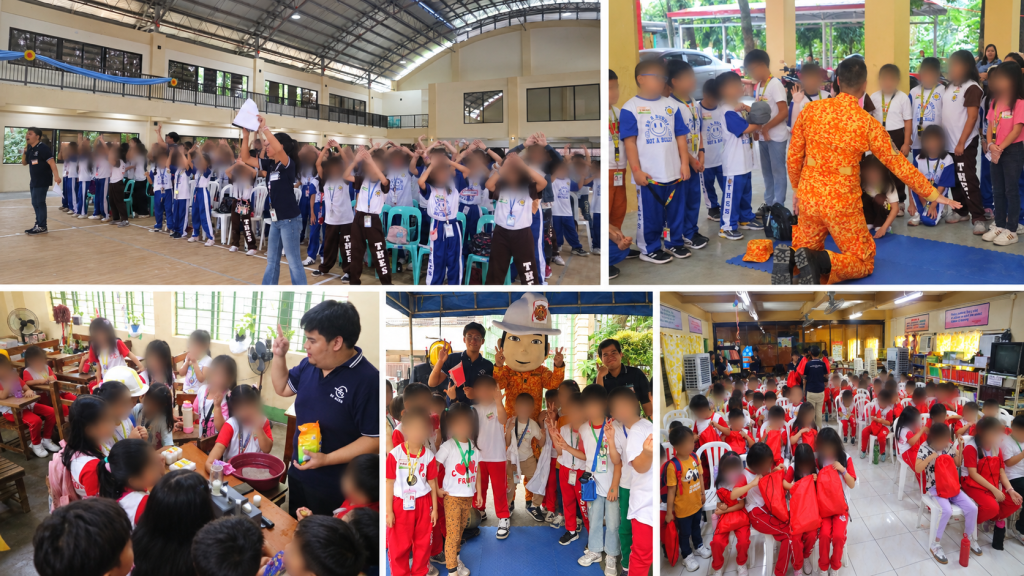
For Project ALAS, the true measure of success was not simply how actively the students participated during the implementation, but whether the lessons remained with them afterward.
Post-test assessments showed strong evaluation results and student proficiency in responding to real-world fire safety questions three months after the program’s implementation. Beyond the educational activities, the project also turned over fire extinguishers, first aid kits, evacuation floor plans, and more than 1,200 additional copies of its comic and coloring books to the beneficiary schools.
One particular experience during the team’s post-evaluation visits in February demonstrated how deeply some of the learning materials had resonated with the children.
When several students were unsure of the answers to fire safety questions, instead of giving up, they took out the Project ALAS coloring and comic books from their school bags and looked for the information they needed. When asked why they still carried the materials three months after the activity, the children shared their fondness for the characters and stories.
For the Project ALAS team, the moment showed that the materials had become more than something distributed during an outreach activity. The stories and characters had helped create a resource that children wanted to keep, revisit, and learn from.
The experience also provided important lessons for succeeding implementations. UP ACES found that mascots, interactive narratives, and gamified educational content were effective tools for engaging young learners. Moving forward, the organization plans to retain these approaches while further developing age-appropriate materials, particularly for older students.
Sustaining the Spark
Project ALAS was designed with sustainability and replication in mind. Digital copies of the project’s original educational materials and media files were turned over to teachers, allowing the schools to continue using them for their own fire safety initiatives.
UP ACES also plans to consolidate the project’s learning materials, methodologies, and data into a formal DRRM handbook that other organizations can access and use to replicate the outreach framework in other communities. Future iterations of Project ALAS are also envisioned to address other disaster-related concerns, further expanding the project’s approach to community preparedness and resilience.
Through SIKLABAN, Project ALAS demonstrated how disaster preparedness education can become more accessible to children when technical knowledge is transformed into experiences they can understand, enjoy, and remember.
Supported through the UPD NSRC Reservist Grant, the initiative reflects how student-led projects can bring academic knowledge beyond the University and into communities where it can contribute to preparedness, resilience, and public service—one young learner at a time.
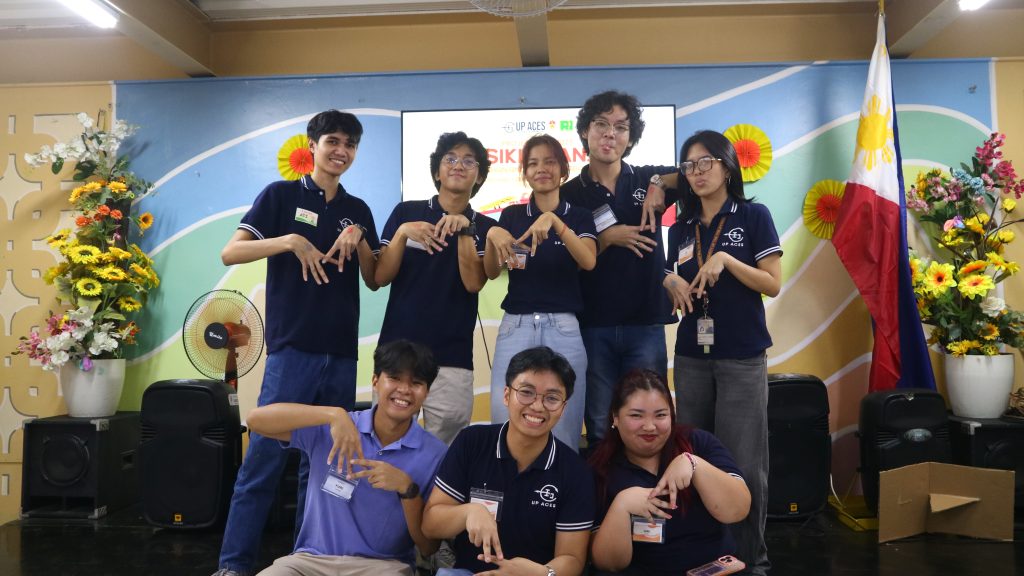
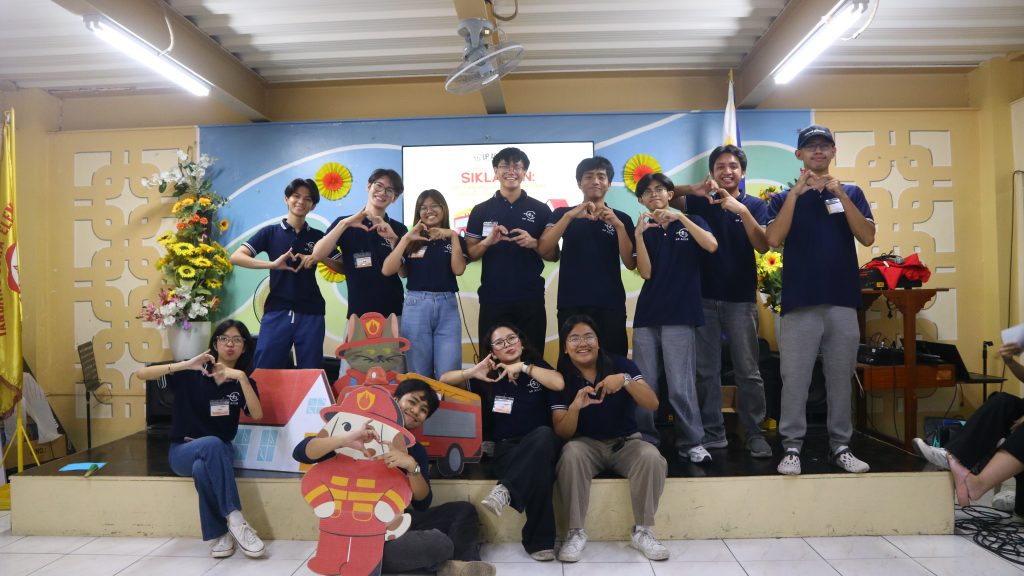
More photos from the UP ACES: Project ALAS:
By: Ameda M. Tomie