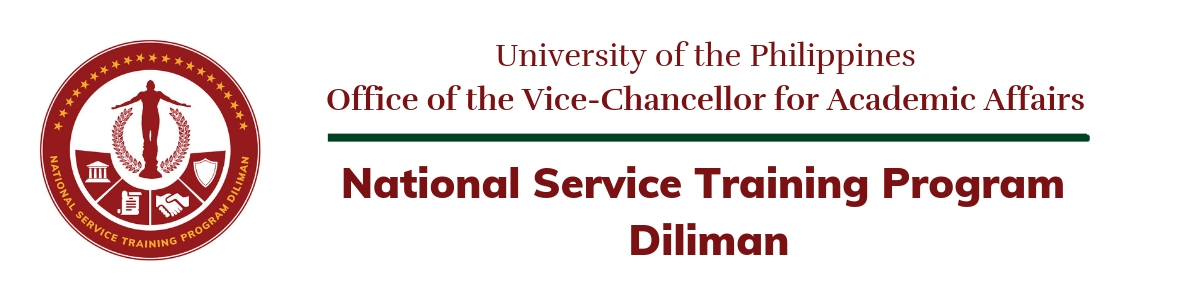
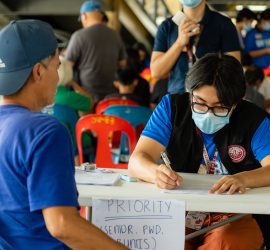
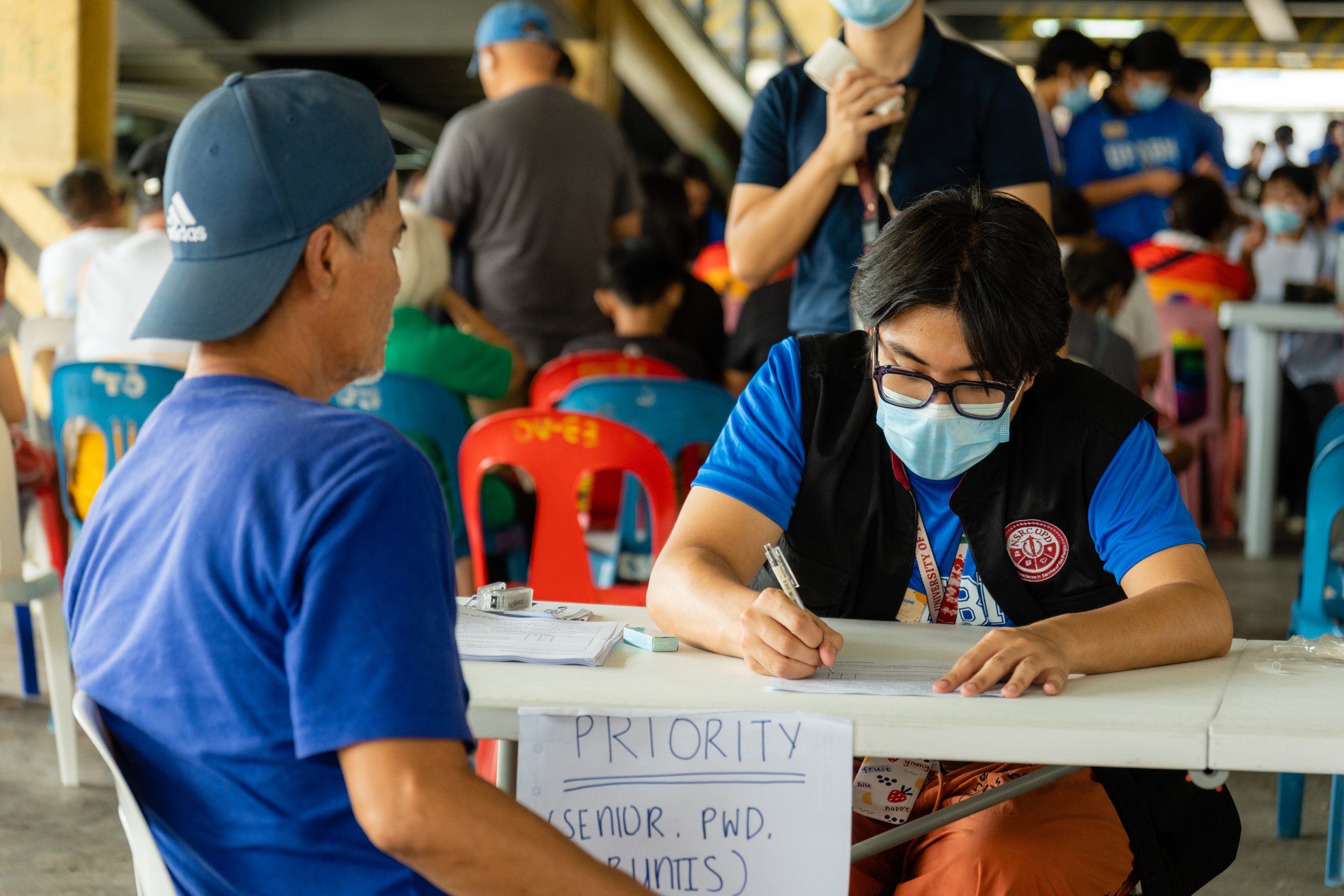
For the UP Association of Biology Majors (UP ABM), knowledge in biology finds greater meaning when it is put into action in service of others. This commitment came to life through Project Pananauli, a community medical mission implemented in Barangay Escopa III and supported through the NSRC Reservist Grant. Bringing together students, doctors, volunteers, partners, and community members, the initiative provided an avenue not only for delivering health-related services but also for strengthening collaboration and learning among those involved. Medical missions have been a longstanding initiative of UP ABM since the organization’s establishment. Guided by its three core tenets of academic, social, and moral development, the organization views its medical missions as an opportunity for members to apply their knowledge and skills in biology for the greater good of others. Project Pananauli continued this tradition of service while providing both volunteers and beneficiaries with opportunities for meaningful engagement. The work behind Project Pananauli began even before the medical mission itself. In partnership with the St. Luke’s Medicine Student Council, a suturing and triage workshop was conducted to equip UP ABM members with basic clinical triage and suturing skills for the circumcision procedures included in the project. The project also introduced the distribution of Women’s Health Kits containing sanitary pads, feminine wash, and tissue to promote menstrual hygiene in commemoration of Women’s Month. The initiative was undertaken with CWTS B 2026, and all of the kits prepared for the community were distributed. Following the positive reception of the initiative, UP ABM is considering making the women’s health kits a permanent component of its future medical missions. More than 100 volunteers worked together to provide free services to beneficiaries during the project. Sponsorships from food companies also helped cover a substantial portion of food expenses while allowing free goods to be provided to community members. Responding to Challenges through Teamwork Implementing a medical mission on a large scale also meant responding to unexpected circumstances. Upon arriving at the venue, the Project Pananauli team encountered miscommunication with the local government unit, resulting in delays in setting up the different stations. Instead of allowing […]
reservists
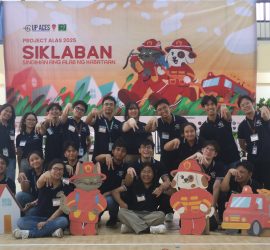
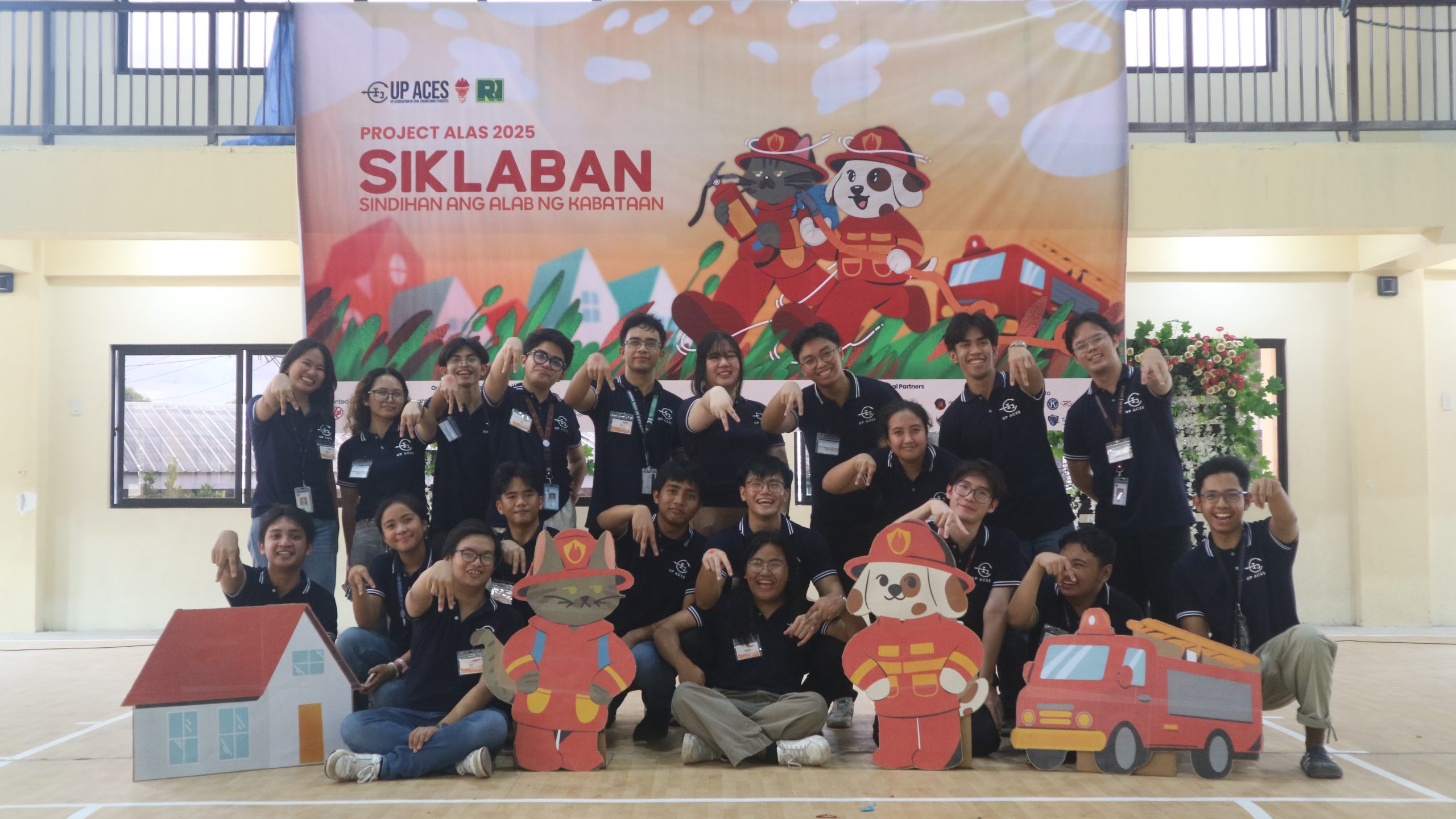
What happens when disaster preparedness is transformed into stories, colorful characters, experiments, and hands-on activities? For hundreds of elementary students in Quezon City, learning about fire safety became an experience that was not only educational but also memorable. Through Project ALAS: SIKLABAN – Sindihan ang Alab ng Kabataan, the UP Association of Civil Engineering Students (UP ACES) brought fire safety and preparedness education to students of Toro Hills Elementary School and Tandang Sora Elementary School as part of its continuing commitment to strengthening disaster resilience among young learners. Project ALAS, short for Alleviating Lives, Advancing Solutions, serves as the social service arm of UP ACES and seeks to apply civil engineering principles to real-world community concerns. Since its establishment nearly a decade ago, the initiative has reached more than 4,000 beneficiaries through programs addressing waste management, sustainable housing, disaster preparedness, and environmental education. In 2023, the project began strengthening its focus on sustainable, replicable, and scalable approaches to community safety and resilience, particularly in addressing disaster-related concerns. This direction was put into practice in 2024 at Bagbag Elementary School, where Grades 1 to 3 students learned about disaster risk reduction and management (DRRM) and waste management through interactive storytelling, dioramas, experiments, and personalized go-bags. Building on this experience, UP ACES returned in 2025 with SIKLABAN, this time focusing on fire safety and protection. Through animated explainer videos, interactive storytelling, physical dioramas, experiments, and fire safety demonstrations, the project sought to make potentially life-saving information understandable and engaging for children. Reaching More Learners The project was initially designed to accommodate approximately 300 students in one school. However, when two schools expressed interest, the team expanded its implementation to serve around 600 students. The increased number of beneficiaries presented logistical challenges, but it also gave Project ALAS an opportunity to extend its reach. Another challenge was communicating fire safety concepts effectively to children across different age groups. Recognizing the differences in maturity and learning preferences between younger and older students, the team developed age-appropriate materials. Students from Grades 1 to 3 received coloring books, while those from Grades 4 to 6 received […]

UP Diliman through the NSTP-NSRC Office proudly participated in the Tokushima Online Exchange Program 2024–2025, a regional initiative by the Tokushima Prefectural Government in Japan that promotes SDG 12: Sustainable Consumption and Production, focusing on ethical food consumption and youth-led consumer behavior. This year, our NSRC Reservists explored ethical consumption through the lens of local food heritage. Their handbook, “From Root to Table: Embracing Philippine Food Heritage for Ethical Consumption,” advocates for the use of native and endemic plants in Filipino cuisine—highlighting sustainability, ecological significance, and cultural preservation. Guided by Dr. Benito Pacheco, Prof. Emeritus Lourdes J. Cruz, Ms. Judith Camille Rosette, Asst. Prof. Olivia Alma Sicam, and Dr. Nappy Navarra, the student representatives and NSTP graduates—Mark Aspiras, Adrienne Riel C. Cruz, Jester Vince P. De Torres, Danella Benice V. Vasquez, and Joseph F. Zabala—actively contributed to this international dialogue, culminating in their participation at the Tokushima International Consumer’s Forum held on June 6, 2025 where Mark Aspiras and Dr. Navarra represented UP Diliman in Japan, exchanging insights with fellow participants from across Asia. This program builds on the successful 2022–2023 collaboration, where UP produced “Sustainable Consumption 101: Your Ultimate Guide to Sustainable Living.” With NSTP Diliman leading the initiative, this engagement continues to empower students to be advocates of sustainable lifestyles and ethical consumption. You can view the team’s full handbook here.
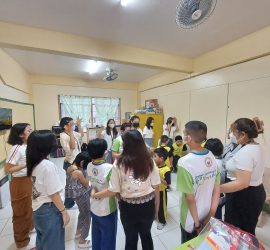
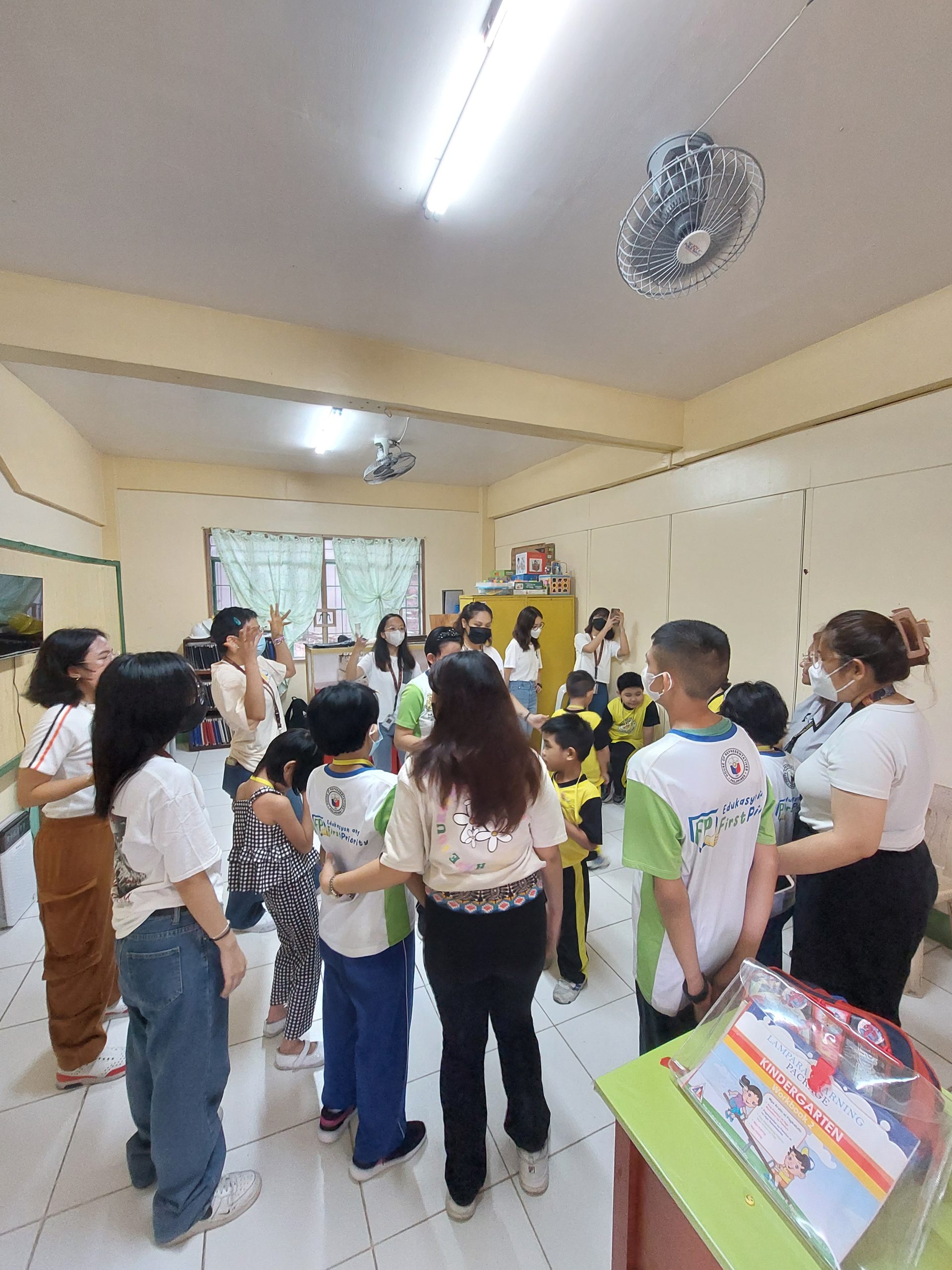
The UP Psychology Society (UP PsychSoc) has long been a beacon of hope and support for children with special educational needs. Their project, InDAK, has become a flagship initiative, emphasizing the importance of accessible and relevant special education and mental health wellness services. With their partnership dating back to 2008, UP PsychSoc has been actively involved with Batino Elementary School, a center dedicated to children with special educational needs. This article delves into the motivations, challenges, and successes of the InDAK project, based on an interview with Joaquin Guevara, a dedicated member of UP PsychSoc. The Genesis of InDAK UP PsychSoc’s partnership with Batino Elementary School began in 2008, with a shared goal of advancing psychology through self-expression and vocation. Initially, the organization focused on sensory activities such as texture and scent-based sessions to assist students with visual impairments and learning disabilities. Over time, the objectives evolved to include supplementary activities that complement classroom learnings, helping children to socialize and energize themselves such as arts, puppeteering, painting, singing, and theater, alongside sports and dancing to hone fine motor skills and spatial awareness. Overcoming Challenges Transitioning to a predominantly face-to-face setup in the academic year 2023-2024 posed several challenges. The InDAK team dedicated the initial months to establishing logistical systems and partnership communications. With the groundwork laid by the previous year’s committee and the support from the UP NSTP-NSRC Office, the organization navigated budget constraints and logistical hurdles successfully. Despite scheduling conflicts due to academic calendar mismatches, transport strikes, and national holidays, the team focused on enhancing session quality through internal production works, increasing volunteer turnout, and setting engaging activities. Participation and Engagement The active participation of students and their families has been a cornerstone of InDAK’s success. Students eagerly engaged in activities, particularly those related to art and dancing. Guardians played a crucial role in behavioral management and interaction, working closely with volunteers to ensure children’s engagement. This collaboration fostered bonding between parents and children, enhancing the overall impact of the sessions. Practical and Recreational Activities In the current academic year, InDAK activities included beaded bracelet making and mural creation. […]
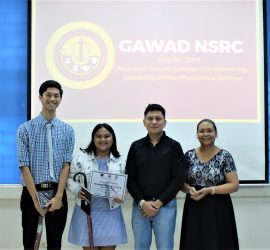
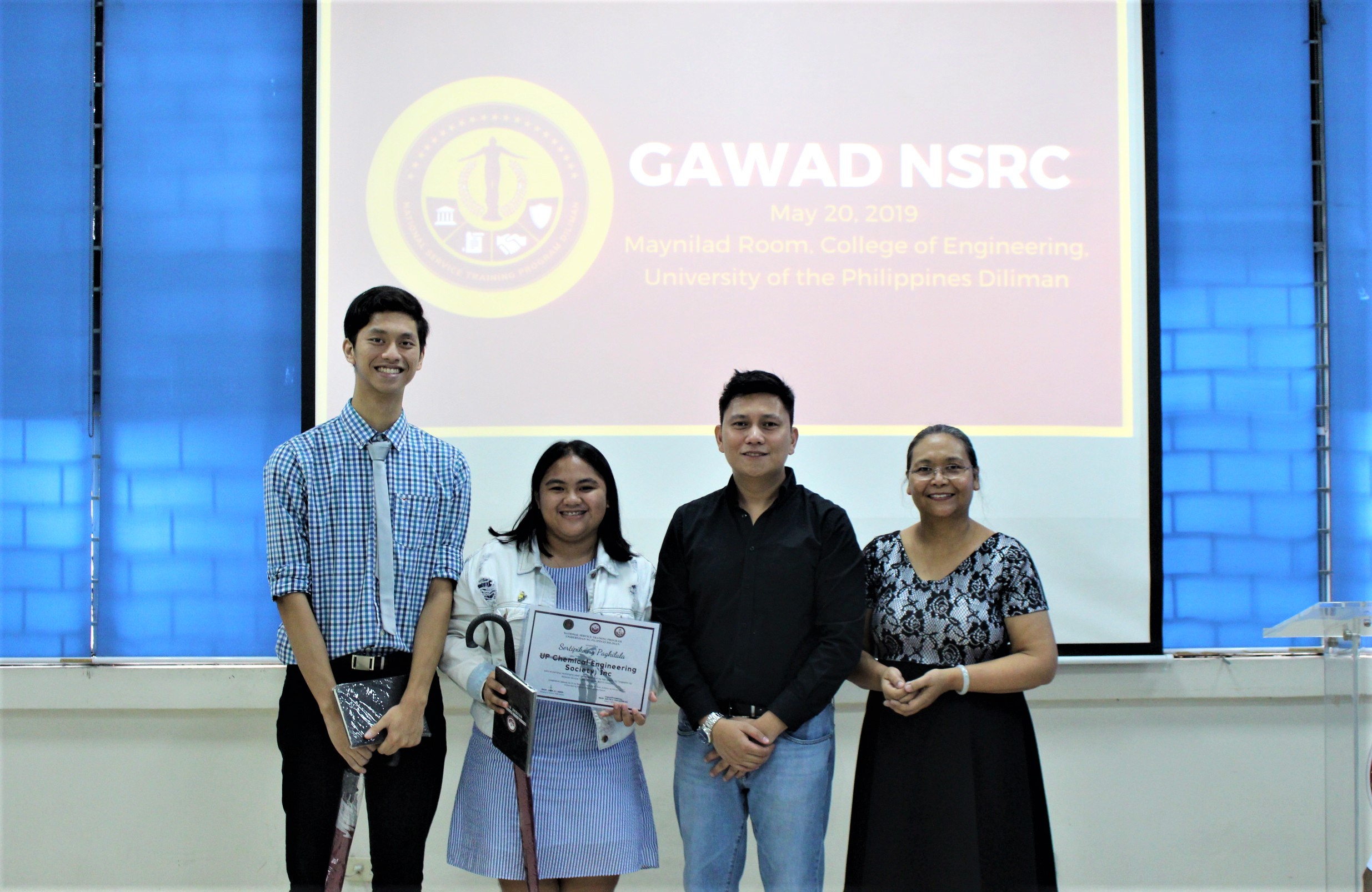
Tokens of appreciation were presented to the partner organizations and core volunteers of the National Service Reserve Corps (NSRC) during the Gawad NSRC held at the Maynilad Room, College of Engineering on May 20, 2019. Aside from celebrating service, the yearly recognition program is held to induce, among the volunteers, a sense of value and appreciation to further fuel them to remain true to their oath as reservists. Among the participants were members of UP Radio Circle who provides assistance to the NSTP Diliman Office in the conduct of Serbisyong Tatak UP sa DZUP; UP Lipunang Pangkasaysayan, UP Political Society, and UP Chemical Engineering Society, who implemented civic welfare and literacy projects under the Reservist Grant for Student Organizations; members of NSRC First Responders; and officers of College of Social Sciences and Philosophy (CSSP)-NSRC. NSRC Deputy Director Jonalou S. Labor also took the opportunity to present the nature of the NSRC Diliman as a School-Based Reserve Unit in order for new and existing reservists to fully understand its structure and mission. He also presented existing volunteer opportunities that reservists could take part of in the coming months. Performers from the College of Music, UP Dancesport Society, and Kontemporaryong Gamelan Pilipino (Kontra-Gapi) also graced the event to deliver a special performance for the awardees. by Vianne Grace C. Delfinado
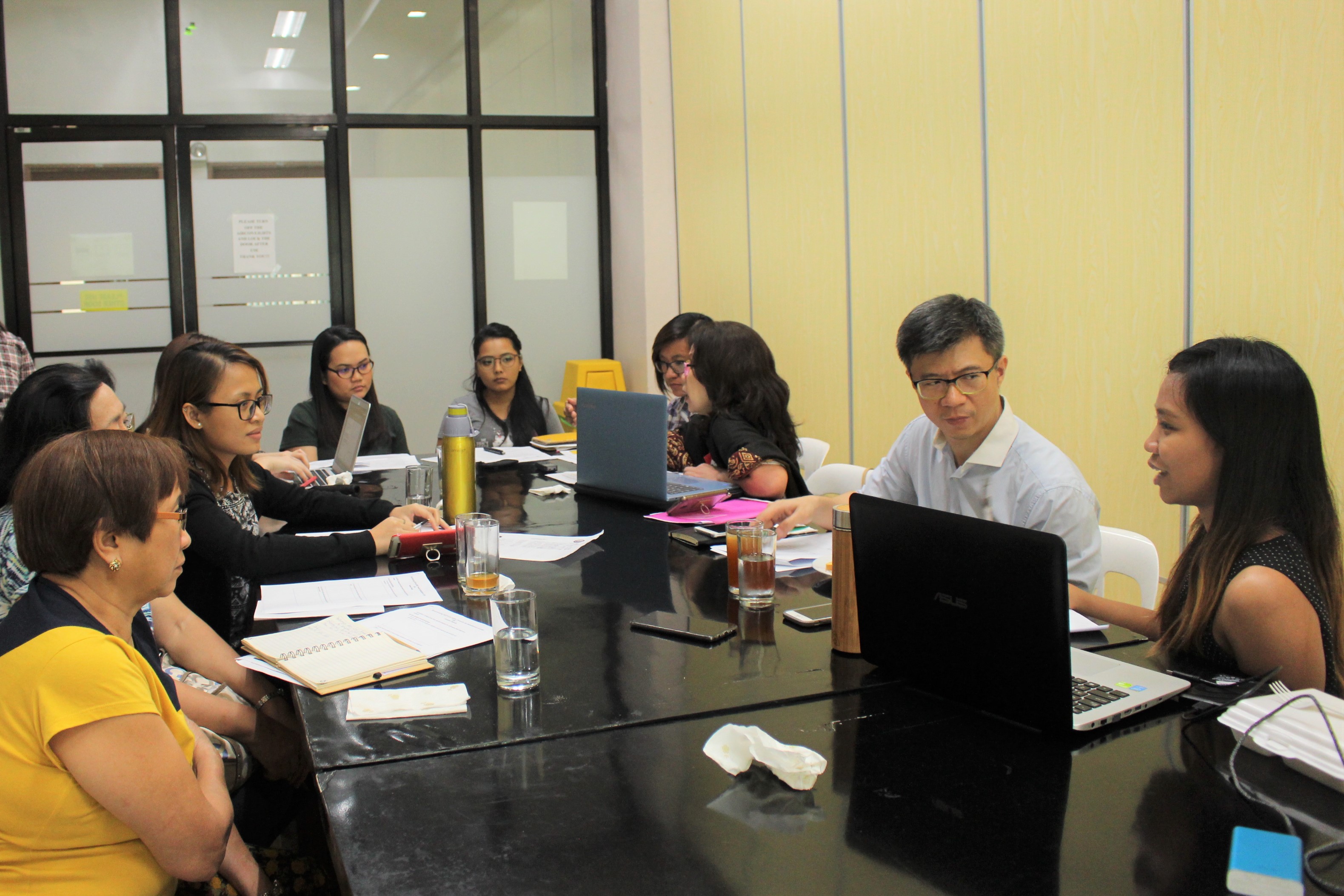
For the year 2018, the NSTP Diliman Office, through the Academic Program Improvement Grant, undertook a project that is entitled “Synchronizing NSTP and NSRC towards the mobilization of UPD SRC.” Said project aimed to develop a mechanism that will sustain the sense of volunteerism in every NSTP student even after they have finished the course. The Office acknowledges the diversity of extension services in the University which can be tapped for the mobilization of the reservists who, in turn, can be great resources in the implementation of the colleges’ extension programs. In line with this, among the objectives of the project are: 1) to enhance NSTP programs to strengthen the capacity of the colleges offering NSTP in maximizing the potential of the students in carrying out the programs spearheaded by the extension offices; and 2) to come up with a policy recommendation to establish a mechanism for the reservists to carry on with their commitment of service. To this end, various data gathering methods were employed to acquire relevant information for the crafting of the policy recommendation. Activities and programs of the extension offices were gathered and organized into a database to predetermine if there are any volunteer needs that the reservists may fill and to evaluate if the opportunities present can provide a fulfilling and enriching experience to the students. Thereafter, an interview was conducted among extension heads who are willing to forge partnership with NSTP Diliman Office in this project. On October 29, 2018, a simultaneous workshop of clustered NSTP college coordinators with extension heads and representatives was held to explore possible programs that may strengthen the partnership between the NSTP Office and extension offices and also to discuss the recommended provisions that will form part of the policy recommendation.This policy has been created to ensure that all potential volunteers will be treated in a fair and consistent way. It should also aid in understanding what support is available to them and what they can expect from their volunteering experience. Moreover, it will serve as a guide on how to properly integrate the volunteers into the organizational structure […]

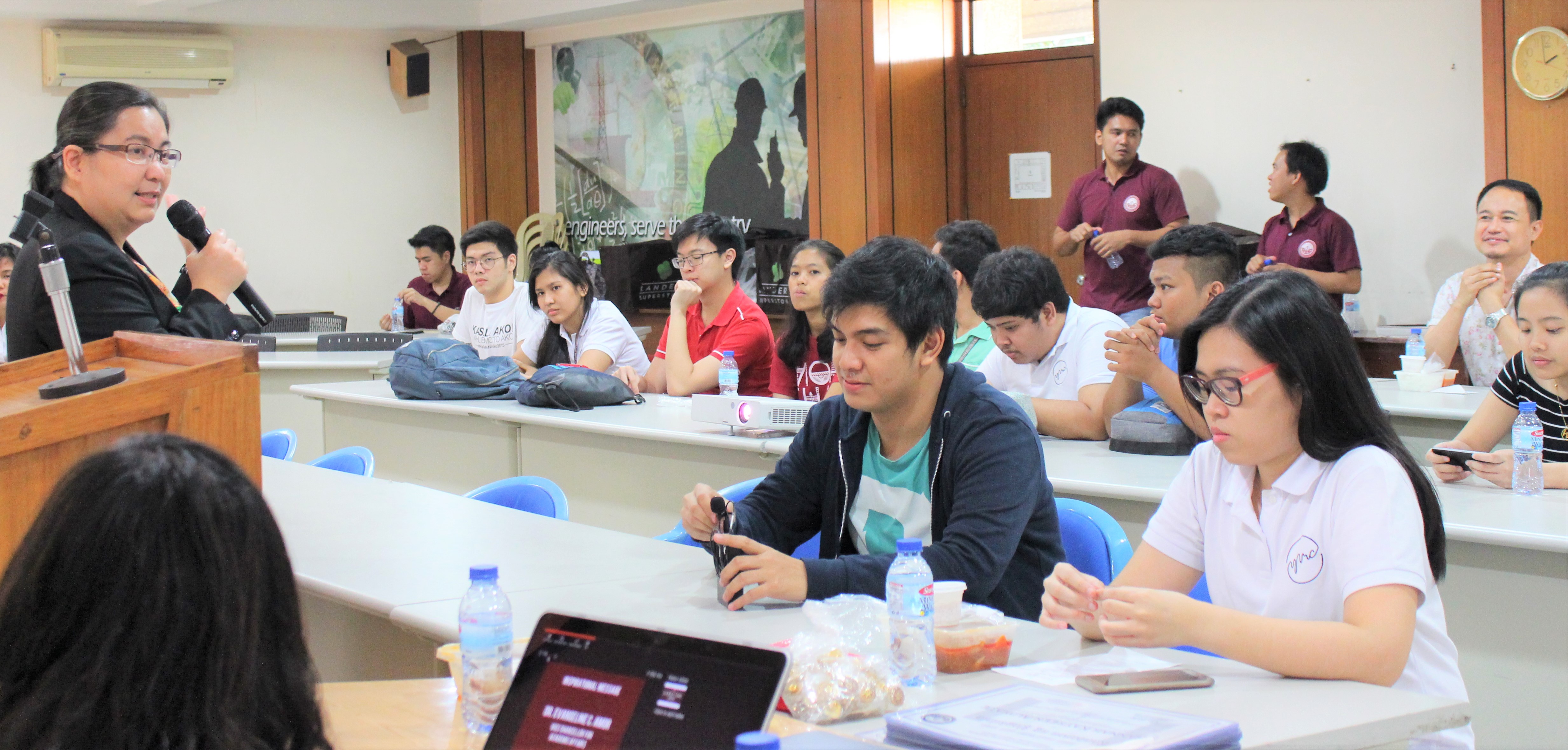
On February 19, 2018, the NSTP Diliman Office launched the Gawad NSRC to express appreciation to the members of NSRC, who have been actively participating as volunteers to NSTP and NSRC activities and programs. Student organizations from the College of Mass Communication, Radio Circle and Broadcasters’ Guild, were also recognized during the event for being our partner organizations in our activities and programs such as the NSTP Radio Program at DZUP 1602 “Serbisyong Tatak UP”, Serbisyong Tatak UP para sa Marawi Initiatives and NSTP Graduations. The event was held at Seminar Room A, NEC Building from 2:00 p.m. to 4:00 p.m. It served as a celebration for their valuable contribution to the success of NSTP Diliman’s activities and programs. by Vianne Grace C. Delfinado