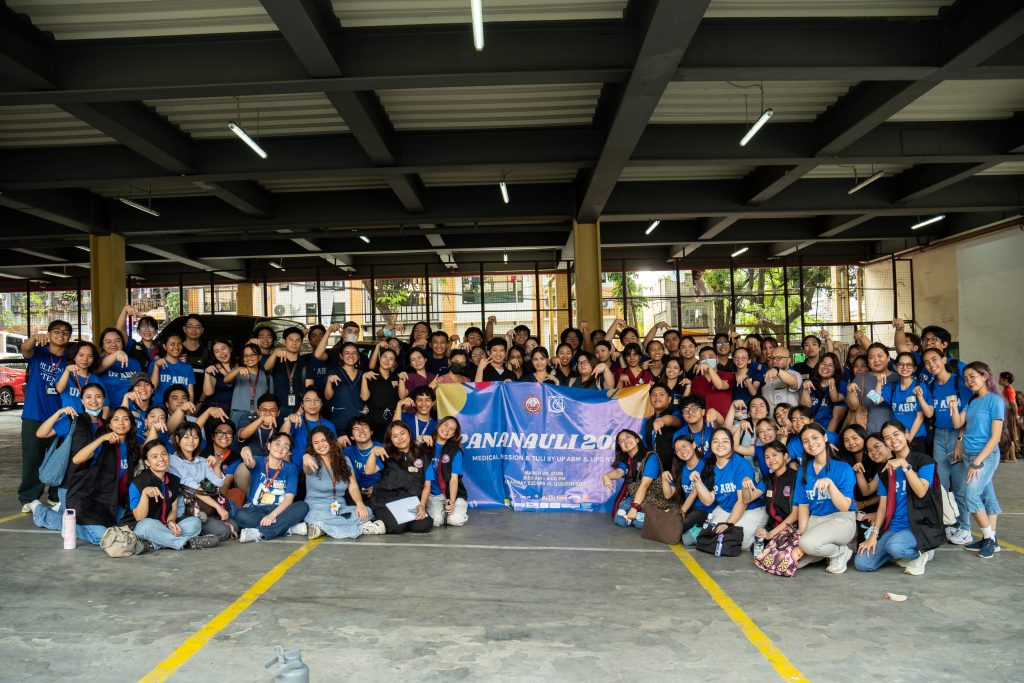
For the UP Association of Biology Majors (UP ABM), knowledge in biology finds greater meaning when it is put into action in service of others.
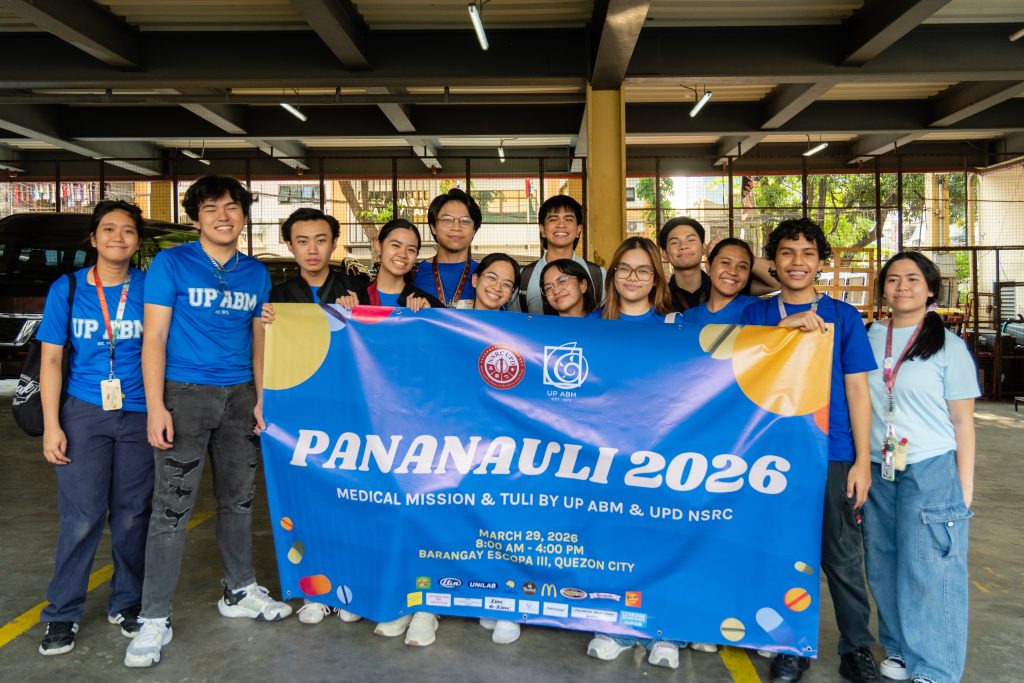
This commitment came to life through Project Pananauli, a community medical mission implemented in Barangay Escopa III and supported through the NSRC Reservist Grant. Bringing together students, doctors, volunteers, partners, and community members, the initiative provided an avenue not only for delivering health-related services but also for strengthening collaboration and learning among those involved.
Medical missions have been a longstanding initiative of UP ABM since the organization’s establishment. Guided by its three core tenets of academic, social, and moral development, the organization views its medical missions as an opportunity for members to apply their knowledge and skills in biology for the greater good of others.
Project Pananauli continued this tradition of service while providing both volunteers and beneficiaries with opportunities for meaningful engagement.
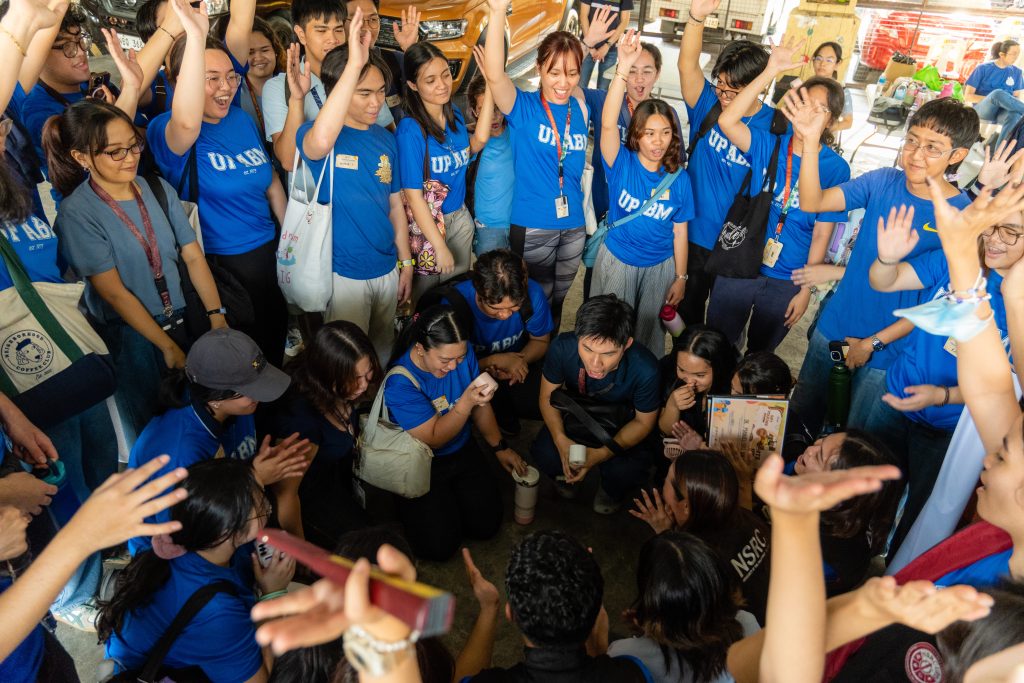
The work behind Project Pananauli began even before the medical mission itself.
In partnership with the St. Luke’s Medicine Student Council, a suturing and triage workshop was conducted to equip UP ABM members with basic clinical triage and suturing skills for the circumcision procedures included in the project.
The project also introduced the distribution of Women’s Health Kits containing sanitary pads, feminine wash, and tissue to promote menstrual hygiene in commemoration of Women’s Month. The initiative was undertaken with CWTS B 2026, and all of the kits prepared for the community were distributed. Following the positive reception of the initiative, UP ABM is considering making the women’s health kits a permanent component of its future medical missions.
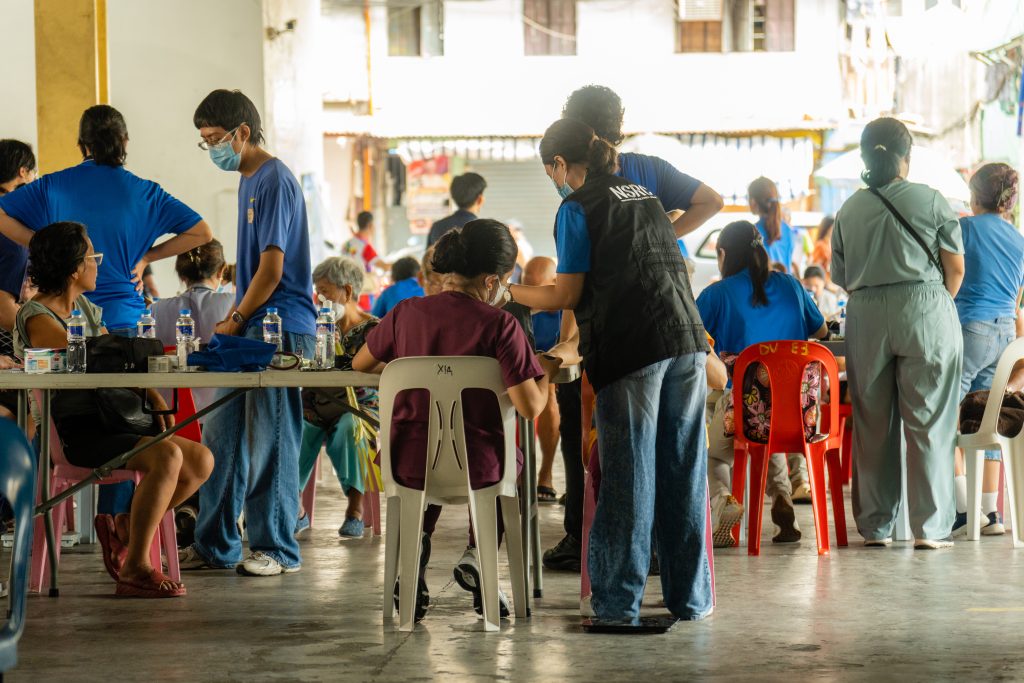
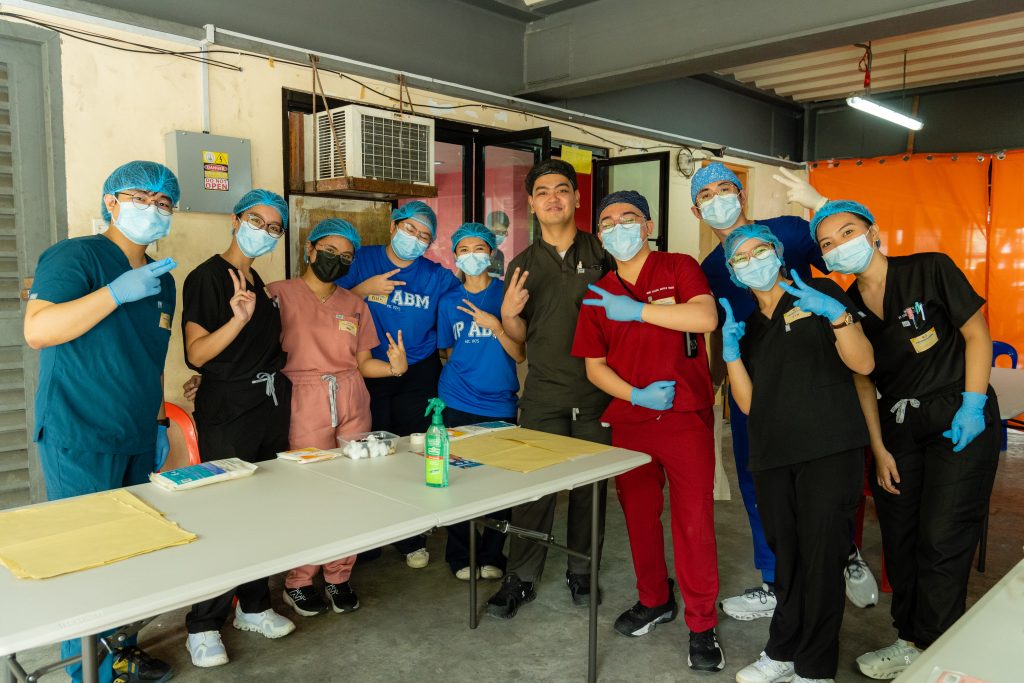
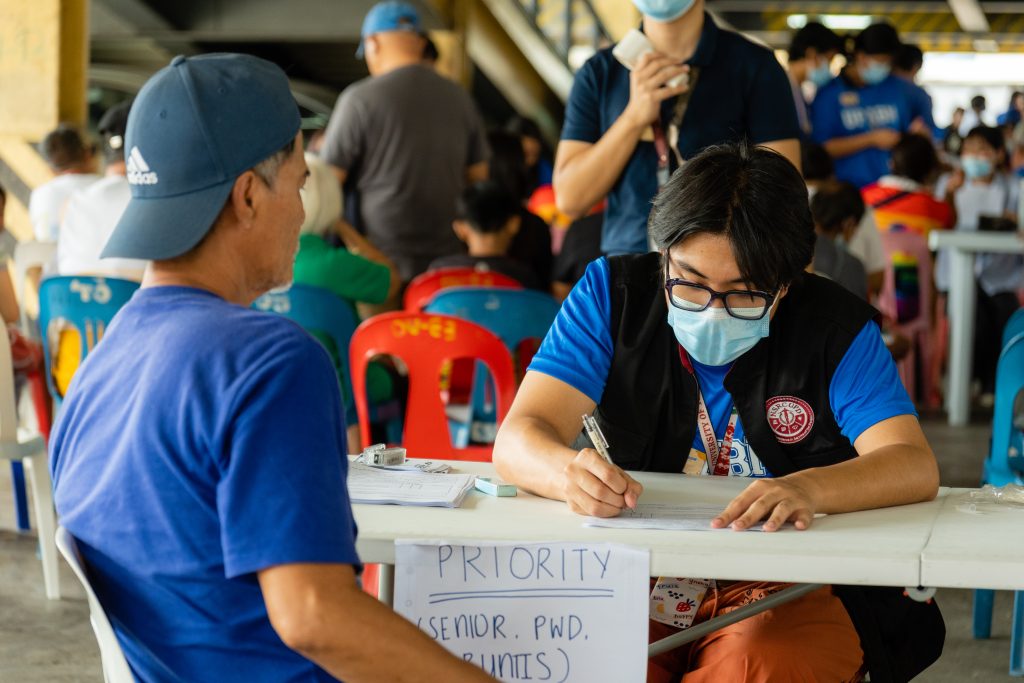
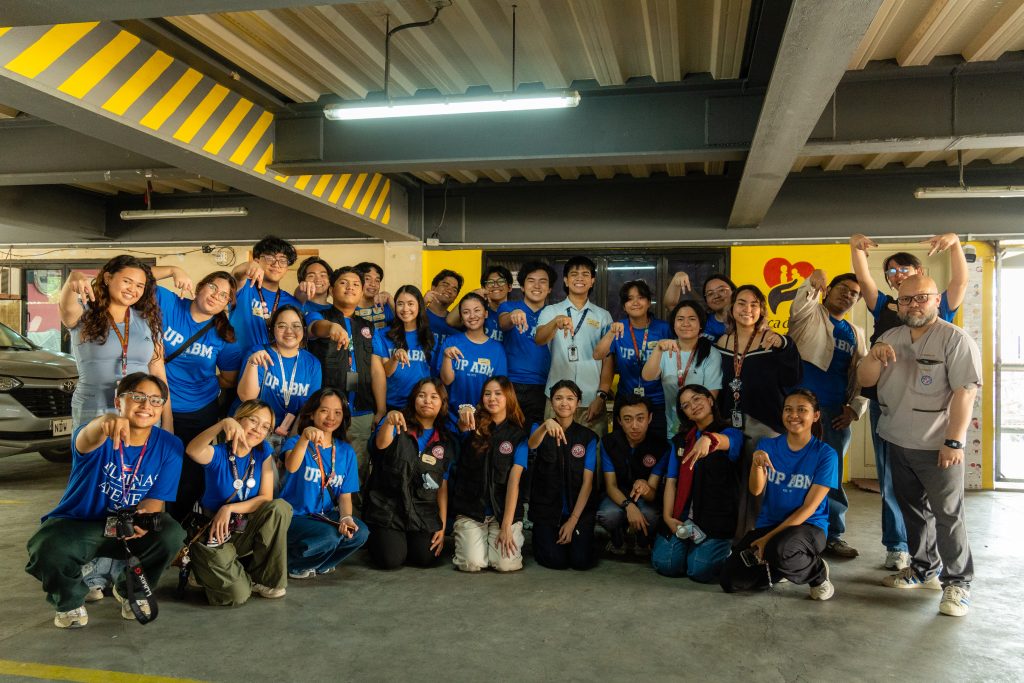
More than 100 volunteers worked together to provide free services to beneficiaries during the project. Sponsorships from food companies also helped cover a substantial portion of food expenses while allowing free goods to be provided to community members.
Responding to Challenges through Teamwork
Implementing a medical mission on a large scale also meant responding to unexpected circumstances.
Upon arriving at the venue, the Project Pananauli team encountered miscommunication with the local government unit, resulting in delays in setting up the different stations. Instead of allowing the setback to derail the activity, the assigned station heads quickly revised the event floor plan according to the space and resources available.
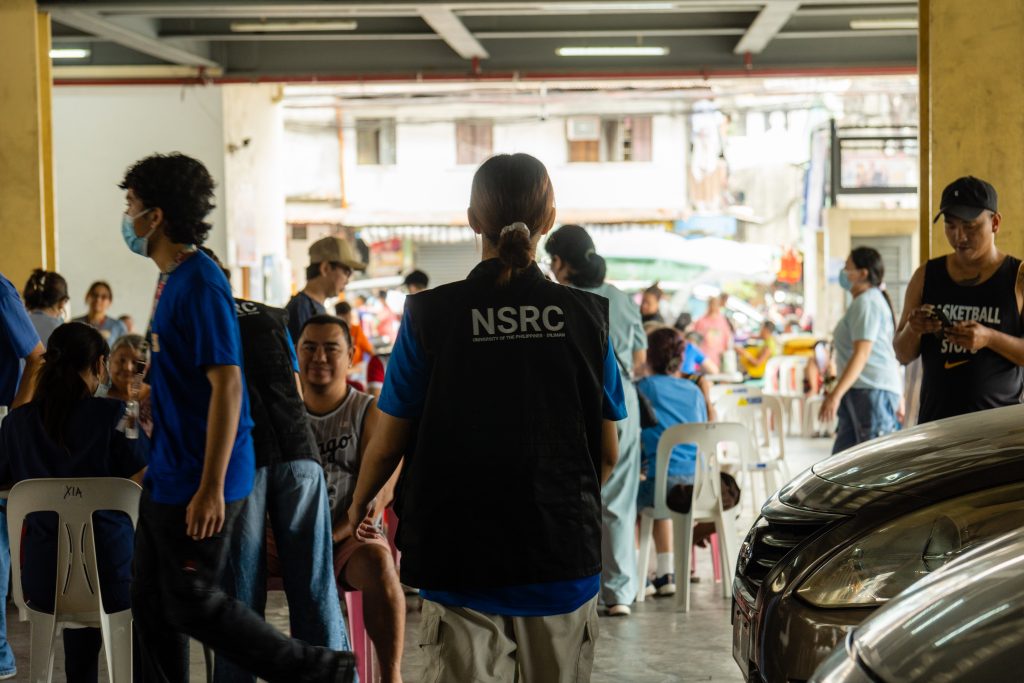
The adjustment ultimately produced a patient flow that the team found smoother and more efficient than what had originally been planned.
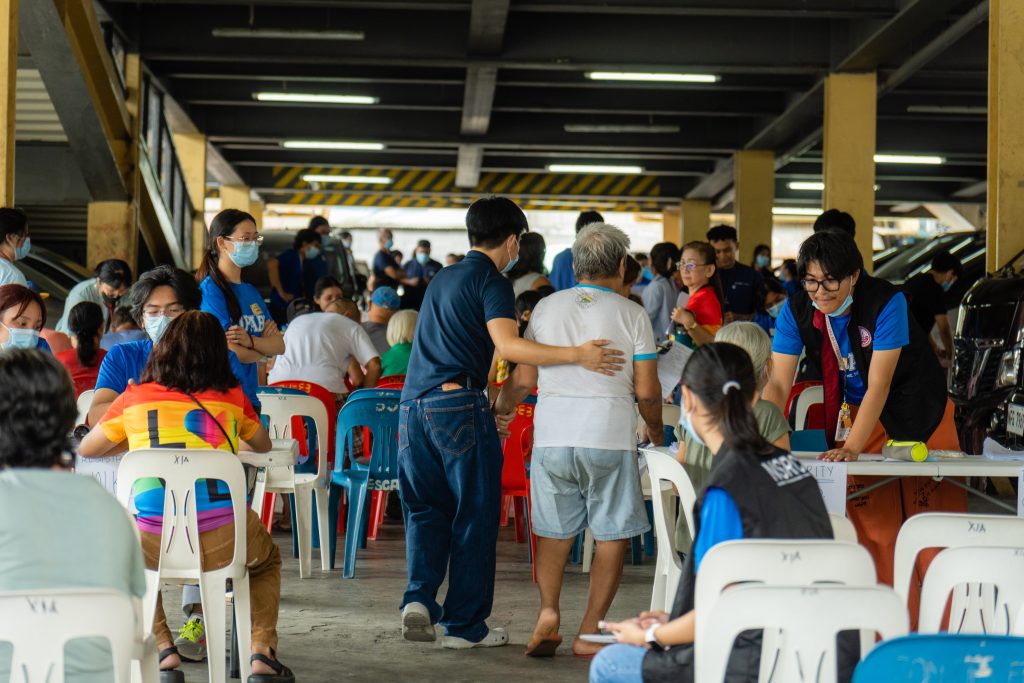
Another challenge emerged when there were not enough volunteer doctors to cover the afternoon shift. Operations had to be temporarily paused at noon, with patients asked to return after some time.
With two doctors available, medical students from St. Luke’s stepped in to help accommodate the remaining patients and assess their cases under the supervision of Dr. Almera-Borja. The arrangement allowed the medical mission to continue while also giving the medical students an opportunity to develop their consultation skills under supervision.
For UP ABM, these challenges underscored how important adaptability and teamwork are in carrying out community-based initiatives.
From reorganizing the floor plan upon arrival to coordinating borrowed materials during packing, members of UP ABM, medical students, doctors, and volunteers worked together throughout the implementation. Although the scale of the project made its preparation demanding, the organization identified the dedication of everyone involved as a key factor that made the undertaking manageable.
Learning from the Community
Project Pananauli also became an opportunity for UP ABM to reflect on how future medical missions could be improved.
Among the key lessons identified by the organization was the importance of close coordination with the partner community. The team noted that conducting a site visit a day before implementation could have reduced some of the preparations and adjustments required on the day of the project.
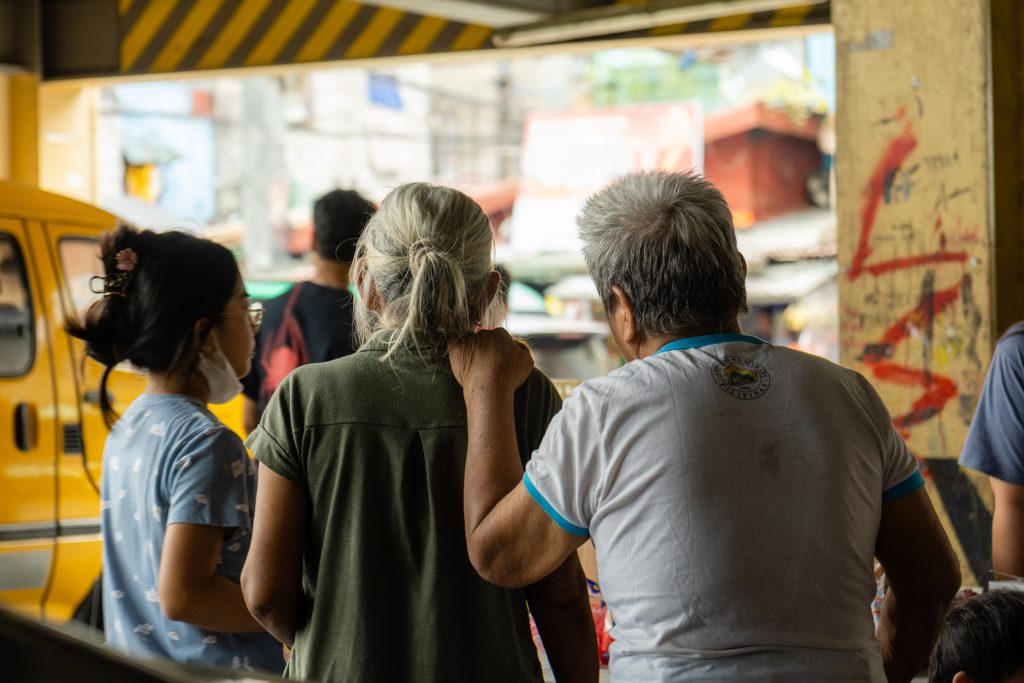
The experience also emphasized the importance of matching the services being offered with the actual needs of a beneficiary community. UP ABM observed that Barangay Escopa III had developed a more improved local healthcare system and regularly received health programs, which contributed to lower community interest during the project’s house-to-house promotion.
Rather than viewing this development solely as a limitation, the organization is using the experience to reconsider where Project Pananauli can create greater impact in succeeding implementations.
The project has had several interactions with Barangay Escopa III dating back to as early as 2014. With the community’s healthcare programs and services having improved over the years, UP ABM is considering bringing future iterations of Pananauli to communities with greater need for free healthcare, including possible areas in Marikina or sitios in Antipolo.
Sustaining a Tradition of Service
Beyond providing healthcare services to residents, Project Pananauli also created a learning experience for the volunteers who participated. UP ABM members and St. Luke’s medical students were able to translate their knowledge into practical community service while working alongside doctors and other volunteers.
To sustain the initiative, UP ABM intends to maintain close coordination with the St. Luke’s Medical School Student Council and the doctors who supported the project. Preserving these partnerships can provide a foundation for future collaborations and succeeding implementations of the organization’s medical missions.
For the organization, one of the most rewarding aspects of Pananauli remains the number of people that can be reached when different groups come together toward a shared purpose.
Supported through the NSRC Reservist Grant, Project Pananauli illustrates how student organizations can transform academic learning into meaningful community engagement. More importantly, it demonstrates that service is strengthened through collaboration—when students, medical professionals, partner institutions, volunteers, and communities contribute their respective knowledge and capacities toward a common goal.
As UP ABM looks toward future iterations of Project Pananauli, the lessons gained from Barangay Escopa III provide a foundation for reaching communities where accessible healthcare services are needed most and for continuing a tradition of student-led service beyond the University.
More photos from the UP ABM:
By: Ameda M. Tomie