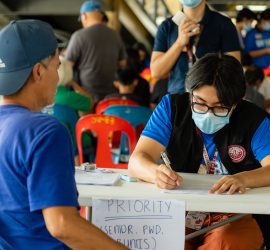
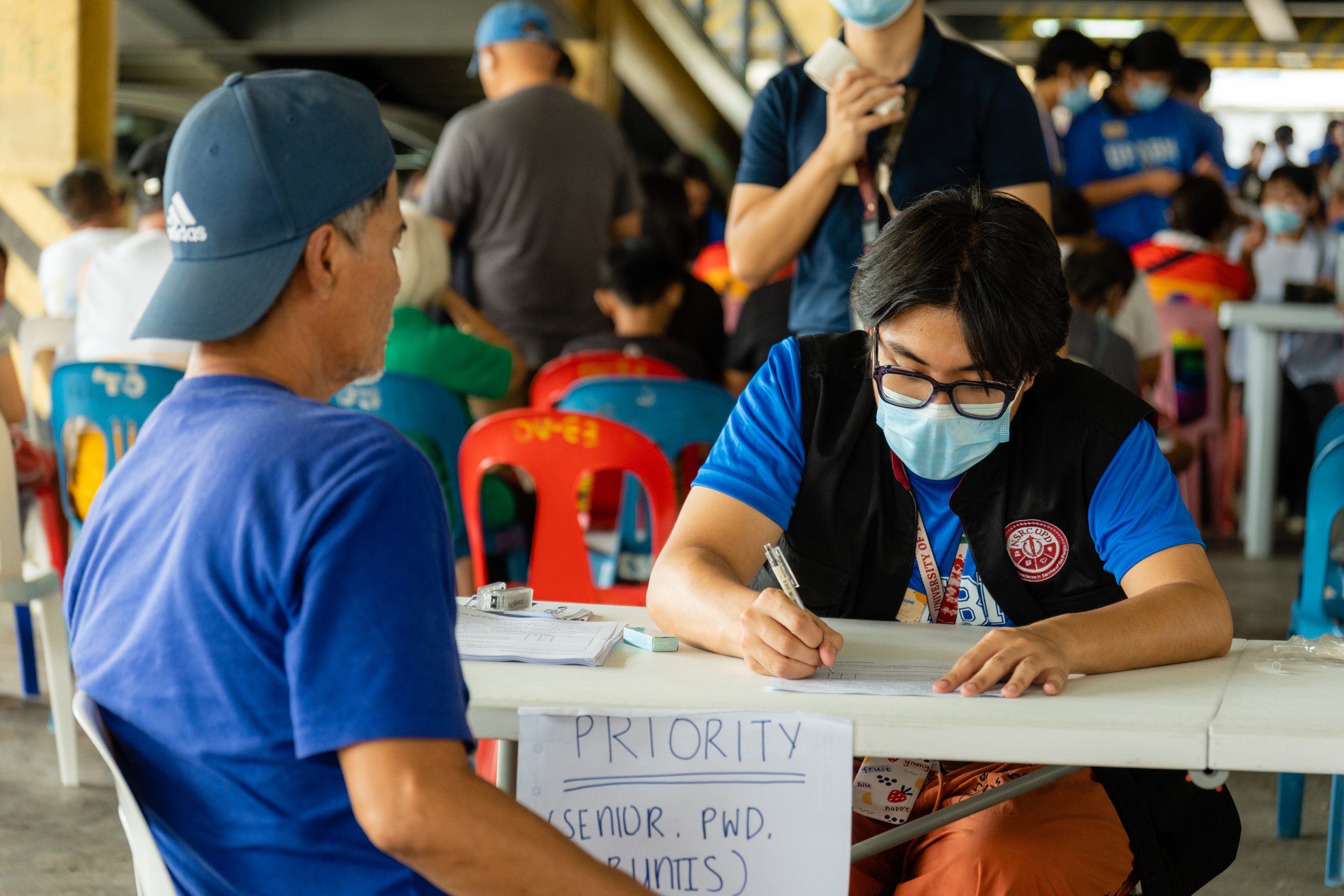
For the UP Association of Biology Majors (UP ABM), knowledge in biology finds greater meaning when it is put into action in service of others. This commitment came to life through Project Pananauli, a community medical mission implemented in Barangay Escopa III and supported through the NSRC Reservist Grant. Bringing together students, doctors, volunteers, partners, and community members, the initiative provided an avenue not only for delivering health-related services but also for strengthening collaboration and learning among those involved. Medical missions have been a longstanding initiative of UP ABM since the organization’s establishment. Guided by its three core tenets of academic, social, and moral development, the organization views its medical missions as an opportunity for members to apply their knowledge and skills in biology for the greater good of others. Project Pananauli continued this tradition of service while providing both volunteers and beneficiaries with opportunities for meaningful engagement. The work behind Project Pananauli began even before the medical mission itself. In partnership with the St. Luke’s Medicine Student Council, a suturing and triage workshop was conducted to equip UP ABM members with basic clinical triage and suturing skills for the circumcision procedures included in the project. The project also introduced the distribution of Women’s Health Kits containing sanitary pads, feminine wash, and tissue to promote menstrual hygiene in commemoration of Women’s Month. The initiative was undertaken with CWTS B 2026, and all of the kits prepared for the community were distributed. Following the positive reception of the initiative, UP ABM is considering making the women’s health kits a permanent component of its future medical missions. More than 100 volunteers worked together to provide free services to beneficiaries during the project. Sponsorships from food companies also helped cover a substantial portion of food expenses while allowing free goods to be provided to community members. Responding to Challenges through Teamwork Implementing a medical mission on a large scale also meant responding to unexpected circumstances. Upon arriving at the venue, the Project Pananauli team encountered miscommunication with the local government unit, resulting in delays in setting up the different stations. Instead of allowing […]
Monthly Archives: September 2026
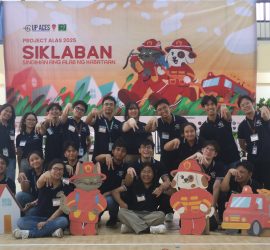
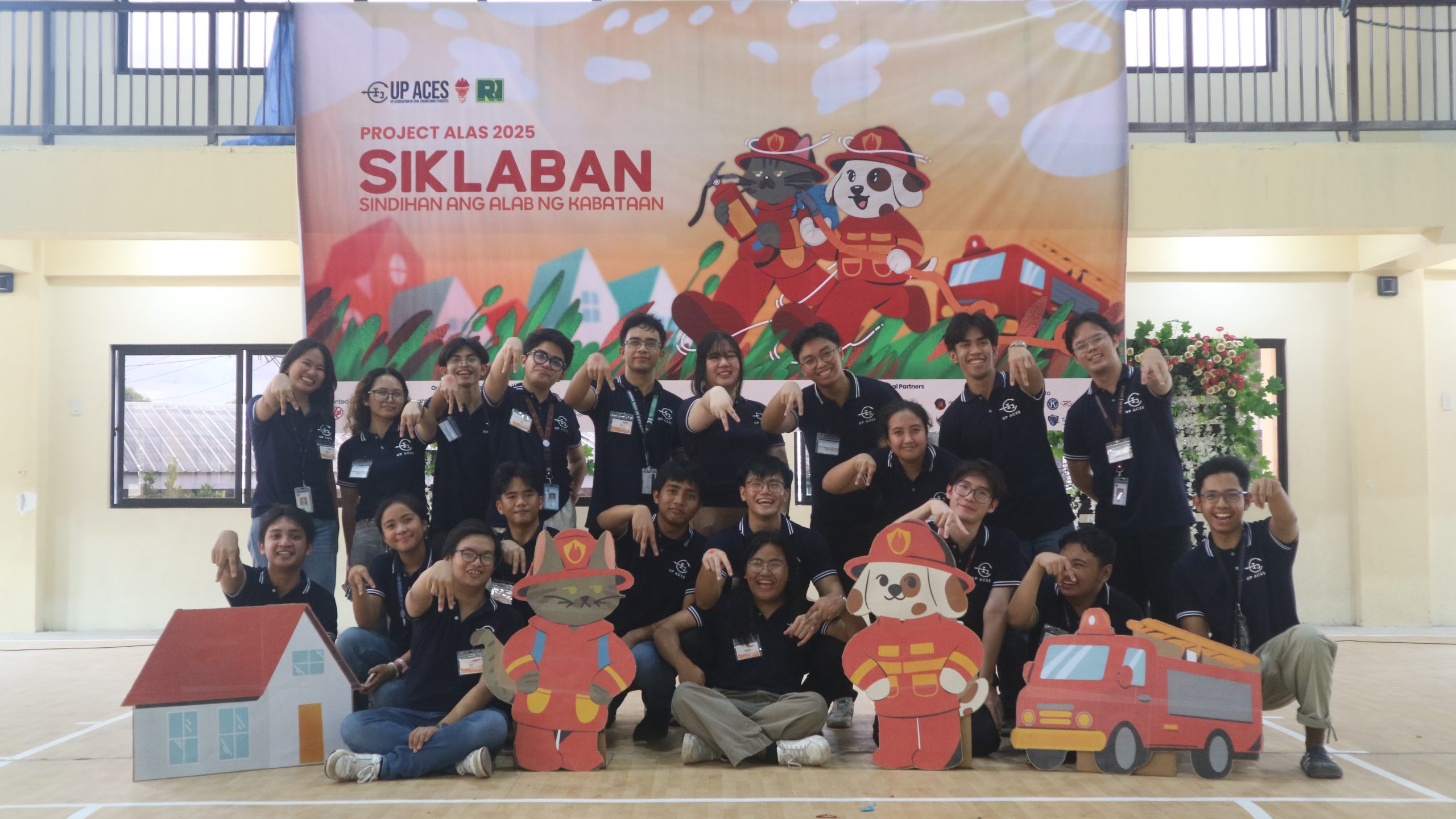
What happens when disaster preparedness is transformed into stories, colorful characters, experiments, and hands-on activities? For hundreds of elementary students in Quezon City, learning about fire safety became an experience that was not only educational but also memorable. Through Project ALAS: SIKLABAN – Sindihan ang Alab ng Kabataan, the UP Association of Civil Engineering Students (UP ACES) brought fire safety and preparedness education to students of Toro Hills Elementary School and Tandang Sora Elementary School as part of its continuing commitment to strengthening disaster resilience among young learners. Project ALAS, short for Alleviating Lives, Advancing Solutions, serves as the social service arm of UP ACES and seeks to apply civil engineering principles to real-world community concerns. Since its establishment nearly a decade ago, the initiative has reached more than 4,000 beneficiaries through programs addressing waste management, sustainable housing, disaster preparedness, and environmental education. In 2023, the project began strengthening its focus on sustainable, replicable, and scalable approaches to community safety and resilience, particularly in addressing disaster-related concerns. This direction was put into practice in 2024 at Bagbag Elementary School, where Grades 1 to 3 students learned about disaster risk reduction and management (DRRM) and waste management through interactive storytelling, dioramas, experiments, and personalized go-bags. Building on this experience, UP ACES returned in 2025 with SIKLABAN, this time focusing on fire safety and protection. Through animated explainer videos, interactive storytelling, physical dioramas, experiments, and fire safety demonstrations, the project sought to make potentially life-saving information understandable and engaging for children. Reaching More Learners The project was initially designed to accommodate approximately 300 students in one school. However, when two schools expressed interest, the team expanded its implementation to serve around 600 students. The increased number of beneficiaries presented logistical challenges, but it also gave Project ALAS an opportunity to extend its reach. Another challenge was communicating fire safety concepts effectively to children across different age groups. Recognizing the differences in maturity and learning preferences between younger and older students, the team developed age-appropriate materials. Students from Grades 1 to 3 received coloring books, while those from Grades 4 to 6 received […]